Natural Skin Solutions

Discover the power of nature in addressing specific skin concerns. In this space, we explore the effectiveness of natural ingredients and remedies for a variety of skin issues. From the acne-combating properties of black seed oil to the soothing relief of moringa oil for eczema, our articles provide comprehensive guides and insights.

Learn about the gentle yet potent benefits of aloe vera for perioral dermatitis, the skin-lightening wonders of green tea, and the safety of natural solutions during pregnancy. Dive into the details of using azelaic acid for rosacea and fungal acne, and uncover the role of diet in managing seborrheic dermatitis.

Whether it’s exploring the efficacy of natural oils, understanding the impact of dietary choices, or uncovering the truths about traditional remedies like apple cider vinegar and witch hazel, this is your guide to harnessing nature’s remedies for healthier, happier skin.

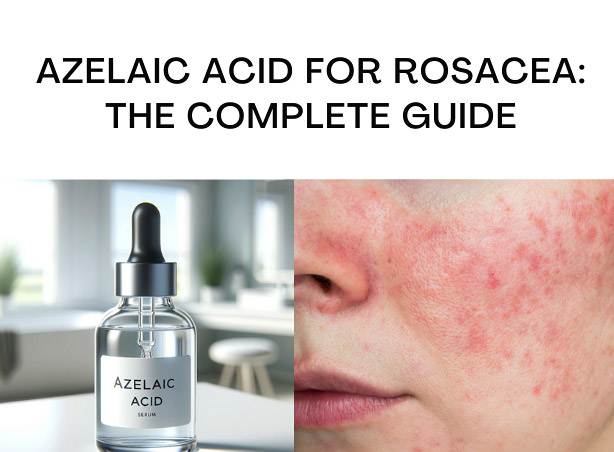
Azelaic Acid for Rosacea: How It Works & What to Expect

Rosacea isn’t just about redness—it’s the stinging, the flare-ups, and the constant battle to find something that actually works. If you’ve been searching for a solution, azelaic acid might be worth a closer look. Azelaic acid is a naturally occurring compound found in grains like wheat, rye, and barley. When used for rosacea, it helps […]

Azelaic Acid for Rosacea: How It Works & What to Expect Read More »
The Powerful Benefits of Azelaic Acid for Clearing Blackheads

Blackheads are a common skin concern that can be frustrating to deal with. They occur when hair follicles become clogged with dead skin cells, oil, and other debris, resulting in a small, dark bump on the surface of the skin. While blackheads are not typically painful or dangerous, they can be unsightly and difficult to

The Powerful Benefits of Azelaic Acid for Clearing Blackheads Read More »

The Seborrheic Dermatitis Diet: Foods to Avoid and Foods to Eat

If you struggle with seborrheic dermatitis, you know how frustrating the flare-ups can be—itchy, flaky, inflamed skin, especially on your scalp, face, and chest. While the exact cause of this condition isn’t fully understood, many people find that what they eat plays a role in how their skin reacts. So, can diet really make a

The Seborrheic Dermatitis Diet: Foods to Avoid and Foods to Eat Read More »

Ingredients and Products to Avoid for Seborrheic Dermatitis (and What to Use Instead!)

Flaky skin, redness, itchiness—seborrheic dermatitis can be relentless. If you’ve tried everything and still experience frustrating flare-ups, the culprit might be closer than you think. Everyday products like shampoos, moisturizers, and even makeup could be secretly aggravating your skin. But don’t worry—we’ve got you covered. In this guide, you’ll discover the ingredients and products to

Ingredients and Products to Avoid for Seborrheic Dermatitis (and What to Use Instead!) Read More »

Fungal Acne: Which Ingredients to Avoid and Which Ones to Look For

Fungal acne, also known as Malassezia (Pityrosporum) folliculitis, is a type of skin condition that occurs when yeast infects the hair follicles. Unlike regular acne, which is caused by bacteria and oil buildup, fungal acne is caused by an overgrowth of yeast that naturally lives on the skin. Fungal acne can be difficult to treat

Fungal Acne: Which Ingredients to Avoid and Which Ones to Look For Read More »

Azelaic Acid for Seborrheic Dermatitis: Benefits, Research, and Tips

Seborrheic dermatitis is frustrating—redness, itchiness, and flaking can be hard to manage. Azelaic acid, a naturally occurring compound with anti-inflammatory and antimicrobial properties, is gaining attention as a treatment. But does it really work? The short answer: Yes, it can help. Studies show that azelaic acid may reduce inflammation, calm skin, and tackle yeast overgrowth—all

Azelaic Acid for Seborrheic Dermatitis: Benefits, Research, and Tips Read More »

Caprylic Acid for Seborrheic Dermatitis: Does It Really Work?

If you’re exploring caprylic acid as a treatment for seborrheic dermatitis, you’re probably looking for something gentler and more targeted than the usual options. And yes, it has potential. Caprylic acid is a natural antifungal that may help calm flare-ups, especially when yeast overgrowth is involved. It’s a gentler alternative to harsher treatments, but using

Caprylic Acid for Seborrheic Dermatitis: Does It Really Work? Read More »

The Best Natural Oils for Seborrheic Dermatitis Relief (Plus Oils to Avoid)

If you have seborrheic dermatitis, you’ve probably wondered: Can I use oils on my skin, or will they make things worse? The answer? Some oils can help, but others can make things worse. The best oils soothe irritation, fight inflammation, and even help control the Malassezia yeast that triggers flare-ups. But the wrong ones? They

The Best Natural Oils for Seborrheic Dermatitis Relief (Plus Oils to Avoid) Read More »

Hyaluronic Acid: A Hydrating Solution for Seborrheic Dermatitis Symptoms?

Seborrheic dermatitis can feel like a constant battle—red, scaly patches, flaking, and itching that just keep coming back. If you’ve tried countless remedies and are still searching for relief, you might be wondering: Could hyaluronic acid help? The short answer: Yes, it might. Known for its hydrating and anti-inflammatory powers, hyaluronic acid has shown promise

Hyaluronic Acid: A Hydrating Solution for Seborrheic Dermatitis Symptoms? Read More »

Understanding Alpha Hydroxy Acids: Mandelic acid vs Glycolic acid

The use of alpha hydroxy actives in skincare goes beyond simple exfoliation. These can also provide benefits in dealing with discoloration issues like hyperpigmentation and inflammatory disorders like acne. As such it is important to know how each acts to know which will be best suited for you. In this article, you will learn the

Understanding Alpha Hydroxy Acids: Mandelic acid vs Glycolic acid Read More »